Cross Stitch Flower
First Impression: Soft, Minimal, and Quietly Premium
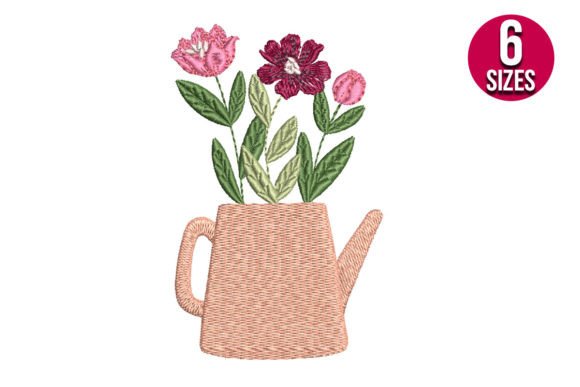
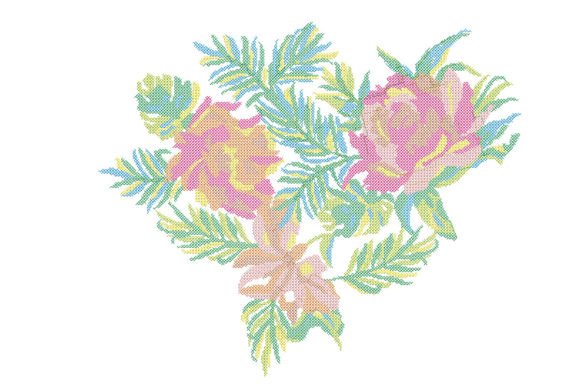
As an embroidery designer who’s prepped over 200 craft fair booths—and shipped thousands of handmade products—I opened Cross Stitch Flower expecting something charming but safe. What I found was better: a design that reads *soft* at first glance, then reveals quiet confidence. It’s not bold or festive. It’s not rustic or farmhouse either. It leans into minimal elegance—clean lines, balanced negative space, and botanical rhythm that feels intentional, not generic. That subtlety is gold for boutique makers and Etsy sellers aiming for thoughtful, repeat-buyer appeal—not just impulse grabs.
Where It Shines in Real Craft Fair Displays
In my booth setup—tote bags stacked on reclaimed wood, aprons draped over ladder shelves, tea towels folded beside embroidered pouches—Cross Stitch Flower stood out most on three items: linen tea towels, cotton canvas tote bags, and structured fabric pouches. Why? Because it scales beautifully. As a small 2.5"–3" motif on a towel corner, it whispers craftsmanship. At 4.5" centered on a tote, it becomes a focal point without overwhelming. And on a 5"x7" pouch? It reads as custom, not clip-art—especially when stitched with tonal thread colors (think sage green on oat linen or dusty rose on cream cotton).
It also works surprisingly well on embroidered patches—a high-margin craft fair product. The clean petal structure holds up after heat-sealing and washing, and the cross-stitch texture reads clearly even at 1.75". But skip it on curved surfaces like caps unless you’re using a low-profile stabilizer and testing hoop placement rigorously. The stitch density isn’t extreme, but tight curves can distort delicate petal outlines.
What Buyers Actually Notice—Not Just What You Hope They Do
At a busy market, people don’t read descriptions—they scan. Cross Stitch Flower passes the “3-second test”: no tiny lettering, no fussy details that blur at arm’s length, no dense fill areas that look muddy on textured towels. That means your booth samples—whether pinned to a bulletin board or stitched onto a pillow cover—communicate quality instantly. Customers touch the fabric, see the even stitch tension, and associate it with care. That perception lifts perceived value, especially for small shop products priced above mass-market equivalents.
For Etsy sellers, this translates directly to stronger listings. Paired with a clean printable mockup (white background, natural light), Cross Stitch Flower photographs crisply—even on mobile. No need for heavy filters or retouching. Its simplicity makes it easy to show across multiple fabric colors without visual fatigue. Bonus: it supports cohesive brand consistency. Use it across your tea towel line, matching pouch set, and limited-run aprons, and shoppers recognize your aesthetic before they see your logo.
Production Reality Check: Speed, Clarity, and Batch-Friendly Flow
This is where Cross Stitch Flower earns its keep for creative entrepreneurs. It’s a true quick-turn machine embroidery design—no nested fills, no underlay overkill, no micro-details requiring specialty needles. That means faster hooping, fewer thread breaks, and smoother batch production for holiday markets or wholesale orders. You can run 12–15 tote bags back-to-back without rethreading if your thread colors are consistent.
But “quick” doesn’t mean “no prep.” Before cutting fabric or loading your embroidery file, do these five things:
- Test on scrap fabric—especially if using textured towels or dark denim. Cross-stitch motifs rely on contrast; low-contrast thread on charcoal linen can vanish.
- Check thread colors against your base fabric before stitching 50 units. A single off-tone thread can derail your entire color story.
- Review spacing and hoop size. Even simple designs shift if digitized for a 4"x4" hoop but stitched on a 5"x7" frame without repositioning.
- Inspect stitch density in petal tips and stem joints. Overly tight areas may pucker thin cotton—add lightweight tear-away stabilizer underneath.
- Create at least one real mockup—not digital. Hang it on your booth display rack. Does it hold attention from 6 feet away? Does the texture read as handmade, not machine-made?
Careful-Use Notes Every Designer Should Flag
Cross Stitch Flower is forgiving—but not magic. Avoid it on:
- Thick or highly textured fabrics (like burlap or heavy terry cloth) unless you increase stabilizer layers and reduce top thread tension.
- Dark fabrics with light thread unless you use a white underlay layer—otherwise, the cross-stitch grid loses definition.
- Small-scale applications under 1.5". Petal separation blurs, and the cross-stitch effect collapses into a solid shape.
- Curved cap fronts without precise digitized stretch compensation—stitch distortion is likely near the crown seam.
And always confirm commercial licensing before selling finished products. This flower embroidery design is marketed for clothing, home decor, and bags—but verify whether your license covers resale of physical goods, not just personal use.
Final Verdict: A Quiet Workhorse for Thoughtful Makers
Cross Stitch Flower won’t scream for attention—but it doesn’t need to. In the crowded landscape of Bouquets and Embroidery categories, it offers what savvy craft fair sellers truly need: versatility, visual calm, and production reliability. It elevates a basic tote bag into a keepsake. It turns a plain apron into a signature piece. It gives your Etsy shop a refined anchor design that customers remember—and return for.
For embroidery business owners building a catalog of digital embroidery files, this is a smart foundational asset. For boutique makers curating handmade product lines, it’s a subtle differentiator. And for Cricut crafters expanding into machine embroidery, it’s a confident first step—clean, teachable, and deeply sellable.
Just remember: great design lives in the details you test, not the ones you assume. Run that scrap test. Check that hoop size. Touch that thread. Then let Cross Stitch Flower do what it does best—add personality, quietly and perfectly.