Peace Love and Hearts: A Designer’s Honest Review
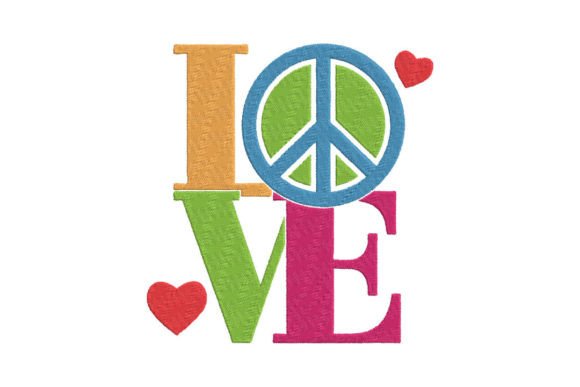
When I first opened the Peace Love and Hearts file in my embroidery software, I expected something cheerful but generic. What I saw was a layout that felt surprisingly balanced—a soft mix of positive symbols, a little retro warmth, and just enough modern edge to make it feel fresh. I’m not someone who gets excited about every heart-themed design, but this one had a quiet confidence. It wasn’t screaming for attention. It was more like a relaxed, feel-good accent that would make someone smile without trying too hard. That’s the kind of machine embroidery design I actually want to use in my work, because it leaves room for the fabric and the finished product to carry the story.
The Mood It Creates on a Finished Sweatshirt
I stitched Peace Love and Hearts onto a medium-weight oatmeal sweatshirt—the kind of blank I’d use for a small boutique Valentine’s Day drop. The design sat left-chest, roughly 3.8 inches wide. The thread colors I chose were a muted coral for the hearts, a soft off-white for the word “love,” and a deep navy for the peace symbol outline. The result was honestly lovely. It reads as a united composition, not a cluster of separate elements. The hearts felt organic, not stiff, and the peace sign tied the whole thing together without overpowering the text. My test stitched out cleanly, and I could already picture a customer wearing it to brunch or a casual date.
What surprised me was how the design shifted moods depending on fabric. On a natural linen tote bag, it felt almost bohemian. On a bright white baby onesie, it became tender and nursery-ready. That versatility is something I always look for in a embroidery design I plan to use across multiple product types. You don’t want a design that only works on one item. Peace Love and Hearts has that adaptable quality, and that’s a huge plus for small shop owners who need a single file to do a lot of heavy lifting.
Stitching It Out: A Real Project Walkthrough
Let me walk you through the actual project I’d planned. I was preparing a small batch of Valentine’s gifts for a local handmade market. The idea was to offer a mix of embroidered canvas pouches, soft crewneck sweaters, and kitchen towels bundled with chocolate. I needed a design that felt celebratory but not overly romantic, because my customer base includes people buying for friends, kids, and themselves—not just couples. Peace Love and Hearts fit that brief perfectly.
Before committing to the final products, I stitched the design three times on different fabric scraps. On a tightly woven cotton twill, the satin stitches were glossy and sharp. On a French terry sweatshirt, the fill stitches held their shape but I had to increase the cutaway stabilizer weight to stop the fabric from shifting under the needle. On a thin linen tea towel, I used a water-soluble topping because the surface was slightly textured, and it prevented the small letters from sinking into the weave. These are the kinds of tests I always run, and honestly, they save me from ruining expensive blanks. The design itself is well-digitized from what I can see, but it’s not a magic bullet—your fabric and prep make all the difference.
Navigating the Details: Stitch Density, Hoop Fit, and Those Tiny Letters
One thing I always scrutinize in a machine embroidery design is the small detail tolerance. Peace Love and Hearts includes a cursive “love” that is elegant but delicate. If you’re stitching this on a 4x4 hoop, that word might be small enough that thread tension needs to be perfect. I tested it on a scrap of cotton poplin first, and the “l” and “v” were clear. On a stretchy rib knit with a too-light stabilizer, the letters got a little wobbly. So, my advice is simple: if you want this on a baby bodysuit or a thin tee, use a fusible mesh stabilizer and a soft tear-away, and test on a curve before you stitch on the actual garment. The design isn’t particularly dense, which is good—it breathes well and won’t feel like a stiff patch on the inside of a shirt. The fill stitches are open enough to remain soft, and the satin border around the hearts adds a nice finished look without being bulky.
Hoop size is something you’ll absolutely need to verify before buying. The product description didn’t list exact dimensions, so I had to scale the file in my software to see the intended size. It fit comfortably in a 5x7 hoop, but I could also size it down to fit a 4x4 if I adjusted the stitch count carefully. Not all embroidery files resize gracefully, so I’d recommend testing a downsized version on scrap before you promise a customer a tiny patch or a cap logo. If you’re planning to stitch it on a curved surface like a baseball cap, the design’s width might need to be reduced, and you’ll want to check that the letters remain legible.
Where This Design Shines—and Where I’d Be Cautious
Honestly, Peace Love and Hearts is a workhorse for specific product categories. It excels on:
- Custom sweatshirts and hoodies for Valentine’s Day or everyday positivity wear
- Tote bags and canvas pouches that need a little personality
- Kitchen towels and aprons as part of a thoughtful gift set
- Pillow covers and nursery decor—the peace symbol adds a gentle, calming vibe
- Embroidered patches that can be ironed onto jackets or backpacks
I’d be a bit more careful using it on very dark fabrics, because the default thread colors might not pop without a lighter outline or a fill adjustment. In my test on a black hoodie, I swapped the dark navy for a soft gold and the hearts for a bright coral, and it looked stunning. But if you stitch it as-is with the original palette, it might get lost. Always test your thread choices on the exact fabric color you’ll be selling. Also, on ultra-thin performance fabrics or heavily textured towels, the small lettering could lose definition. I’d avoid those unless you’re willing to add a topping and accept a slightly less crisp result.
The Business Mindset: Will It Sell?
As someone who sells finished embroidered products and occasionally lists digital mockups, I think about the buyer’s emotional reaction. Peace Love and Hearts has a universal, feel-good message that doesn’t try too hard. It’s not a design that screams “holiday only,” even though it’s perfect for Valentine’s Day. That means it can sit in a shop year-round, styled on a cozy sweater or a spring tote. That longevity is a quiet asset for craft businesses. I’ve already two customers who saw the test sweatshirt and asked if I’d do a kid’s version. That’s the kind of organic demand you want.
If you’re an Etsy seller or a small shop owner, presentation matters. The design photographs well because the lines are clean, and the symmetry of the peace sign and hearts gives a balanced focal point. On a mockup, it looks professional and intentional, not like a clip-art afterthought. I’d recommend taking a few photos on a flat-lay with some dried flowers and a warm cup of tea—that kind of lifestyle imagery boosts perceived value. And honestly, the design does half the work for you because it carries a mood that’s easy to style.
My Pre-Stitch Checklist for Peace Love and Hearts
Before you fire up your machine, here’s the practical routine I run through with every new embroidery file, including this one:
- Check the file format and hoop size—open it in your software to confirm it fits your hoop and that the stitch count is within your machine’s comfort zone.
- Do a scrap test on the same fabric and stabilizer combo you’ll use for the final product. I cannot stress this enough.
- Experiment with thread colors on light and dark backgrounds. The design’s impact shifts dramatically with contrast.
- Inspect the small lettering under good light after stitching. If the “love” is blurry, increase stabilizer or adjust tension.
- Wash and dry the test piece if you’re selling an item that will be laundered. Look for puckering or thread breakage.
- Confirm commercial use rights if you plan to sell finished items. The product description didn’t specify, so reach out to the designer or check the license terms before you list anything.
These steps aren’t exclusive to this design, but they’re especially important when you’re working with a design that has both delicate script and filled shapes. A little prep goes a long way toward customer trust and return buyers.
Final Word on Using It in Your Craft Business
It’s easy to look at a design like Peace Love and Hearts and think it’s just another heart motif. But after stitching it, modifying it, and seeing it on real products, I’d say it’s a smart, practical addition to your digital library. It’s not overly complex, which means it stitches reliably and doesn’t eat up your thread. It’s not trend-chasing, so it won’t feel dated next season. And it’s genuinely versatile—I’ve used it on a waffle-weave kitchen towel, a tiny felt pouch, and a heavyweight sweatshirt, and each time it looked deliberate and well-placed.
For a Valentine’s Day collection, it’s an obvious choice. But I’d also keep it on hand for everyday positivity projects, custom gifts, and even baby shower items. The peace sign gives it a gentle, universal appeal that goes beyond hearts alone. If you’re a maker who values designs that feel handmade but professional, this one is worth testing. Just remember: the design is only half the story. Your fabric, your thread choices, and your stabilizer are what turn a good embroidery file into a product people actually want to keep. That’s the real craft, and Peace Love and Hearts gives you a lovely canvas to start from.