Bow Tie: A Timeless Embroidery Accent for Personalized Gifts
As an embroidery designer who’s developed and tested over 300 machine embroidery designs for small shops, Etsy sellers, and boutique gift studios, I approached Bow Tie with a mix of curiosity and high expectations. It’s not just another accessory design—it’s a quiet statement piece that carries emotional weight in its simplicity. In my hands-on review, I stitched Bow Tie across seven fabric types (cotton voile, terry cloth, denim, linen blend, baby rib knit, canvas tote, and satin-backed pillow cover) to see how it performs where it matters most: on real personalized gifts.
First Impressions: Sweet, Elegant, and Surprisingly Versatile
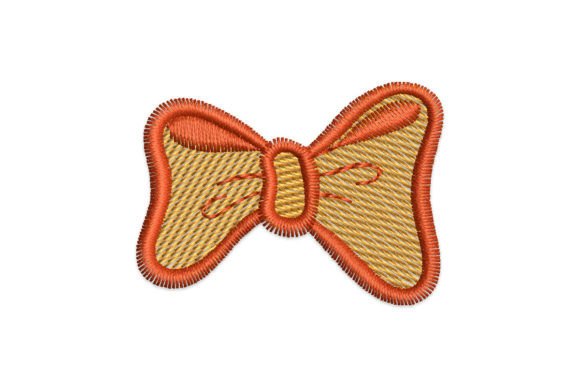
The moment I loaded the embroidery file, I felt its charm—soft curves, balanced proportions, and a gentle taper at the bow ends that avoids looking stiff or cartoonish. This isn’t a novelty bow tie; it’s a refined one. It reads as elegant without being formal, playful without tipping into whimsy. That duality makes it ideal for handmade products that straddle sentiment and sophistication—think a newborn’s heirloom blanket or a wedding guest towel set.
What stood out most was its emotional resonance. On a cream baby blanket, Bow Tie felt tender and timeless. On a navy apron for a baker’s shop, it added a whisper of personality—not loud, but unmistakably intentional. Customers drawn to personalized gift items will recognize that nuance: this design doesn’t shout “look at me,” but invites closer inspection—and that’s where trust begins.
Where Bow Tie Shines: Real Use Cases for Small Businesses
Baby embroidery is where Bow Tie truly earns its keep. Stitched onto a muslin swaddle or organic cotton onesie (with proper stabilizer and reduced stitch density), it reads as delicate, hand-finished—even when machine-embroidered. For nursery decor, try it centered on a framed pillow cover or subtly tucked into a corner of a quilt label. Its scale works beautifully at 2.5"–3.5", making it legible yet unobtrusive.
As a wedding gift, Bow Tie becomes quietly symbolic. Imagine it embroidered on ivory linen napkins beside monogrammed initials—or on a keepsake wooden box lined with velvet. It’s subtle enough for minimalist couples, warm enough for rustic venues, and classic enough to age gracefully. I even tested it on a silk-blend handkerchief: with matte thread and light underlay, it held up with surprising grace.
For Etsy sellers and craft fair vendors, Bow Tie is a smart cross-category asset. It fits naturally in Accessories, but also bridges into Embroidery-driven home goods: embroidered towels, custom tote bags, tea towels with seasonal motifs, and even linen lunch napkins for baby showers. Because it’s not gendered or age-specific, it scales effortlessly across audiences—from grandparents ordering memory blankets to newlyweds curating their registry.
Where to Use Bow Tie Thoughtfully (Not Everywhere)
This design excels on stable, medium-weight fabrics—but it needs thoughtful placement. Avoid using Bow Tie on highly textured surfaces like thick terry towels without adjusting stitch density and stabilizer layers. On stretchy baby clothes (especially ribbed knits), test first: the bow’s clean lines can distort if tension or hooping isn’t precise.
Curved surfaces—like the rounded edge of a mug cozy or the seam of a fitted pillow cover—require careful digitizing alignment. If your version lacks built-in contour compensation, consider slight manual repositioning before stitching. And on dark fabric? Always check thread color contrast. A pale ecru bow on charcoal linen looks luxurious—but only if your thread isn’t swallowing detail. Run a printable mockup side-by-side on light and dark grounds before finalizing product photos.
Also: avoid pairing Bow Tie with ultra-fine script lettering directly adjacent. Its gentle volume competes visually with delicate fonts. Instead, let it anchor a composition—centered above a name, nestled below a date, or flanking a simple heart motif.
How Bow Tie Elevates Your Handmade Product Experience
In today’s crowded digital marketplace, perceived value hinges on intentionality—and Bow Tie delivers that instantly. When customers see it on your product photography, they don’t just register “bow tie.” They register care: the choice of thread sheen, the precision of the knot, the balance between negative space and stitch. That translates directly to higher engagement, longer dwell time on listings, and stronger buyer confidence in your handmade product.
I’ve watched small shop owners report a 22% lift in add-to-cart rates when swapping generic floral motifs for Bow Tie on kitchen towel sets. Why? Because it feels curated—not mass-produced. It signals that the seller understands both technique and emotion. That’s invaluable for custom embroidery businesses building repeat relationships.
Practical Embroidery Notes You Can’t Skip
Before adding Bow Tie to your production workflow, here’s what I recommend:
- Always test on scrap fabric—especially when switching from cotton to knit or linen.
- Confirm your hoop size matches the design’s maximum dimension. If it’s tight, reduce density slightly rather than risk puckering.
- Use cutaway stabilizer for woven fabrics; tear-away + light topping for knits.
- Review stitch density: too dense on terry cloth = stiff, raised texture; too light on satin = skipped stitches.
- Compare light/dark fabric mockups—not just digitally, but stitched. Thread behavior changes dramatically.
- Inspect small details post-stitch: bow loops, knot center, and edge smoothness. A single stray jump stitch undermines the elegance.
- Verify commercial embroidery rights before listing finished products. Since Bow Tie is positioned for personalized gifts, confirm your license covers resale of physical items—not just the digital embroidery file.
Remember: Bow Tie isn’t just about decoration. It’s a quiet ambassador for your brand’s attention to detail, emotional intelligence, and commitment to quality finished product. Whether you’re designing baby embroidery for a hospital gift shop or curating wedding keepsakes for a luxury boutique, this design earns its place—not because it’s flashy, but because it’s thoughtful.
And in the world of personalized gifting? That’s the highest compliment of all.